In a world driven by technological advancements, the future holds immense promise and potential. From dazzling science fiction movies to groundbreaking innovations in research labs, futuristic technologies have captured our collective imagination.
In this blog, we will embark on a journey to explore some of the most intriguing futuristic technologies and their potential impact on various aspects of our lives.
- Artificial Intelligence (AI) and Machine Learning (ML)
Artificial Intelligence and Machine Learning are revolutionizing industries across the board. With advancements in deep learning algorithms, neural networks, and natural language processing, AI has the potential to transform healthcare, transportation, finance, and more. From intelligent personal assistants to self-driving cars and personalized medicine, AI's impact is far-reaching, offering efficiency, automation, and new opportunities.

- Virtual and Augmented Reality (VR/AR)
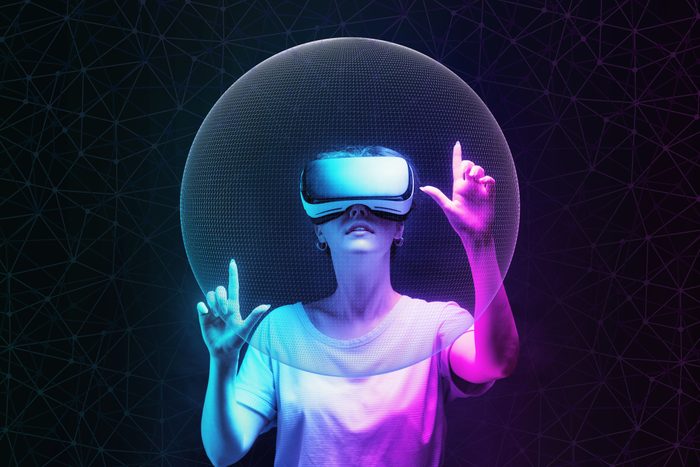
Immersive technologies like Virtual Reality and Augmented Reality are poised to reshape how we perceive and interact with the world. VR transports us to virtual realms, opening doors to endless possibilities in entertainment, gaming, and education. AR, on the other hand, enhances our reality by overlaying digital information onto the physical world, offering applications in fields such as architecture, retail, and healthcare.
- Internet of Things (IoT)
The Internet of Things envisions a connected world where everyday objects are embedded with sensors and interconnected through the internet. From smart homes and wearable devices to industrial automation and smart cities, IoT promises seamless integration and data-driven decision-making. However, concerns about privacy, security, and the ethical use of data remain as we navigate the future IoT landscape.
- Blockchain Technology
Blockchain technology, originally associated with cryptocurrencies, is evolving beyond its financial roots. This decentralized and transparent ledger system has the potential to revolutionize supply chain management, digital identity verification, and secure transactions. By removing intermediaries and increasing trust, blockchain has the power to transform industries that rely on trust and traceability.
- Biotechnology and Genetic Engineering
The realm of biotechnology and genetic engineering holds transformative potential in healthcare, agriculture, and environmental conservation. Gene editing tools like CRISPR-Cas9 offer precise modifications to DNA, opening doors to personalized medicine, disease eradication, and genetically modified crops for sustainable agriculture. However, ethical considerations surrounding genetic manipulation and the potential for misuse warrant careful regulation and public discourse.

- Renewable Energy and Sustainable Technologies
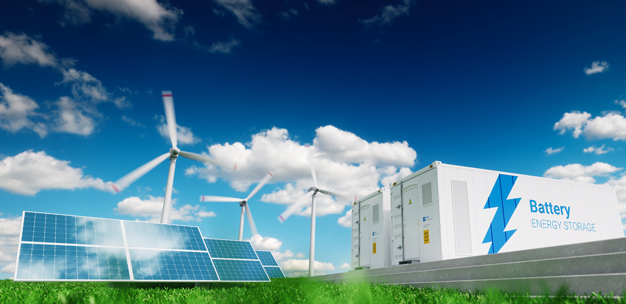
As we confront the challenges of climate change, futuristic technologies in renewable energy are crucial for a sustainable future. Advancements in solar, wind, and tidal power offer clean alternatives to fossil fuels. Energy storage technologies, such as advanced batteries and hydrogen fuel cells, hold the key to overcoming intermittent power supply and achieving widespread adoption of renewable energy sources.
Conclusion
The future is brimming with exciting possibilities fueled by futuristic technologies. From the realm of AI and ML to the immersive experiences of VR/AR, and the transformative potential of blockchain and genetic engineering, our lives are set to undergo significant transformations. Embracing these technologies brings forth opportunities for innovation, improved efficiency, and enhanced quality of life. However, we must also remain vigilant about addressing potential challenges, such as ethical considerations, security, and equitable access to these technologies.
As we step into this technological revolution, let us navigate the future with a sense of responsibility, collaboration, and an unwavering commitment to harnessing these futuristic technologies for the betterment of humanity.
Comments
Post a Comment